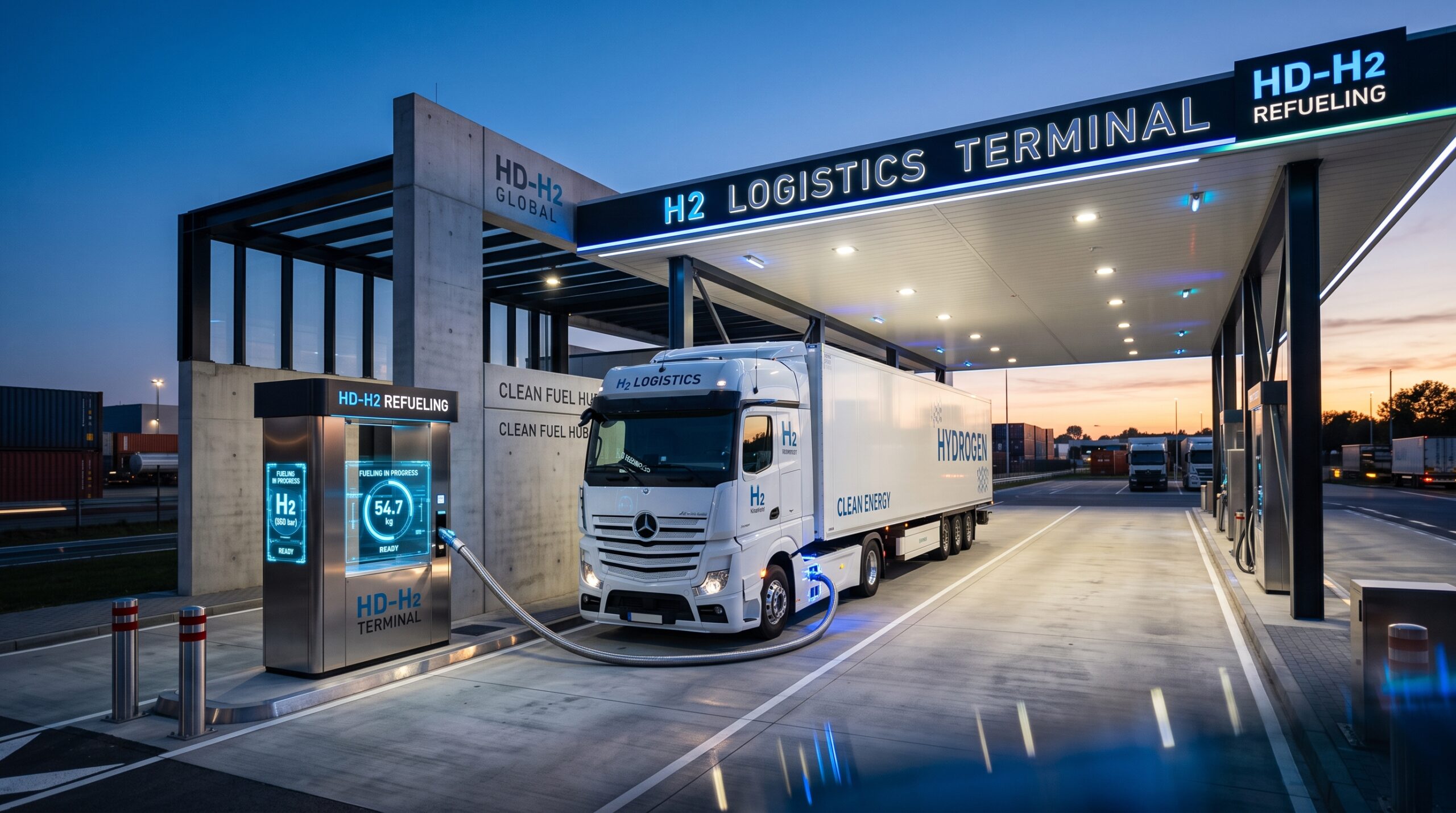
The clean energy revolution is facing a massive, structural bottleneck that cannot be solved by lithium-ion batteries alone. While retail investors have spent years chasing speculative electric vehicle startups, heavy industrial sectors—like long-haul trucking, steel manufacturing, and maritime shipping—are confronting an unforgiving physics problem. Batteries are simply too heavy and take too long to recharge to power a multi-ton transport fleet across continental highways. This massive infrastructure gap has left global logistics corporations desperate for a scalable, high-density alternative.
Hydrogen energy infrastructure stocks have quietly moved into the spotlight to solve this macro-economic crisis. The core of the opportunity does not lie within the volatile companies building hydrogen-powered cars, but rather within the businesses laying down the concrete “picks and shovels” of the ecosystem. By investing in the companies manufacturing high-pressure storage tanks, automated refueling stations, and industrial electrolyzers, you position your portfolio to capture highly reliable, long-term cash flows. This segment is rapidly shifting from speculative venture capital into a deeply institutional, bankable asset class.
Tracking the Macro Shifts: From Policy Hype to Execution
The investment thesis for this sector has fundamentally changed over the past twelve months. The era of empty corporate press releases and speculative design concepts has been replaced by strict capital discipline and tangible industrial scaling. Major market infrastructure providers are now executing massive, multibillion-dollar projects that have already cleared final investment decisions.
Government capital is acting as a powerful floor for this market, with heavily subsidized green hydrogen hubs expanding rapidly across North America and Europe. These policy frameworks provide massive tax credits that significantly lower the operational costs of low-carbon production. For individual investors, the most valuable market signals are found in guaranteed off-take agreements—contracts where industrial giants commit to buying hydrogen years before a production facility even breaks ground. This contractual setup completely removes market demand risk, turning these infrastructure projects into highly predictable utility-like investments.
Identifying the Moats: Top Electrolyzer and Industrial Gas Giants
To secure consistent returns, you must separate the speculative hardware startups from the industrial titans that possess a clear technological moat. The safest, high-yielding plays in the space are the legacy industrial gas conglomerates. Companies like Linde and Air Products and Chemicals already dominate the global distribution networks for hydrogen, controlling thousands of miles of proprietary pipelines and deep-water storage facilities.
If you are looking for pure-play technology upside, the focus should shift strictly toward advanced electrolyzer manufacturers. Solid oxide and proton exchange membrane (PEM) technologies are the dual engines of this transition. Companies like Bloom Energy have recently demonstrated massive growth by expanding their strategic partnerships to power heavy artificial intelligence data center infrastructure. When evaluating these pure-play stocks, always look at their firm contract backlog; a growing backlog is the truest indicator that a company’s technology is winning real-world commercial trust.
Evaluating the Risks: Overcoming Cost Curves and Transport Logistics
No smart investment thesis is complete without looking directly at the underlying friction points of the technology. Hydrogen is notoriously difficult to handle; its tiny molecular size allows it to leak through traditional steel pipelines, causing structural embrittlement. Furthermore, cooling the gas into a liquid state for long-distance transport demands an immense amount of electricity, which can quickly erode operating margins if energy prices spike.
However, the cost curve for green hydrogen is projected to drop substantially as localized production networks take shape. Instead of moving liquefied gas across entire oceans, the industry is shifting toward on-site generation models. By placing modular electrolyzers directly at major freight terminals and industrial manufacturing plants, operators completely bypass expensive transport logistics. This decentralized approach makes the economic architecture of the infrastructure far more resilient against supply chain shocks.
Portfolio Strategy: Balancing Income and High-Growth Clean Tech

Building an optimized position within this sector requires a deliberate, two-pronged asset allocation strategy. We suggest anchor-weighting your clean energy portfolio with large-cap industrial gas suppliers that offer steady dividend yields and stable cash flows. This protective layer ensures your capital remains safe while the broader energy transmission grid undergoes its generational overhaul.
You can then allocate a smaller, tactical portion of capital into high-growth electrolyzer and fuel cell innovators. Treat this bucket as a long-term equity option play on the acceleration of heavy decarbonization. By diversifying across both localized infrastructure networks and global equipment manufacturers, your portfolio is perfectly positioned to capture maximum upside as the world transitions to a diversified, multi-fuel economy.
FAQ
Why shouldn’t I just buy electric vehicle stocks instead?
Electric vehicles are an excellent solution for light passenger transport, but they fail in heavy industries due to battery weight limitations and slow recharge cycles. Hydrogen infrastructure serves heavy logistics, maritime shipping, and aviation—sectors that batteries simply cannot scale to meet.
What is the difference between grey, blue, and green hydrogen?
Grey hydrogen is produced from natural gas without capturing emissions, while blue hydrogen uses carbon capture to reduce its climate footprint. Green hydrogen is the ultimate premium product, manufactured by splitting water using 100% renewable wind and solar energy.
How long will it take for these infrastructure investments to become highly profitable?
The industry has already entered its commercial execution phase, with several major projects slated to go live over the next 24 to 36 months. Large industrial gas companies are already profitable today, while pure-play equipment manufacturers are rapidly scaling revenue through massive corporate backlogs.
Leave a Reply