Airbag recalls and faulty inflators create massive headaches for repair shops and vehicle owners alike. Navigating complex regulations while trying to keep customers safe and businesses running smoothly often feels overwhelming.
The Bureau of Automotive Repair now actively seeks input from shops regarding upcoming airbag regulatory action. This opportunity lets technicians and owners voice practical concerns before rules get finalized. Your frontline experience could shape policies that affect daily operations across the industry.
Understanding the Bureau of Automotive Repair Initiative
The Bureau wants detailed feedback on proposed airbag handling, installation, and documentation requirements. Shops dealing with Takata and other inflator replacements know the real-world challenges better than anyone. Their insights could prevent overly burdensome rules that don’t reflect actual workshop conditions.
This call for input signals recognition that regulations work best when grounded in practical realities. Past experiences with sudden regulatory shifts taught many shops the value of early participation. Missing this chance might mean struggling with impractical requirements later.
From my conversations with independent shop owners, clear communication channels like this one remain rare but incredibly valuable when they appear.
How Shop Owners and Technicians Should Respond
Gather specific examples from recent airbag-related repairs. Document time spent on paperwork, parts sourcing difficulties, and any safety concerns you encountered. Concrete data carries more weight than general complaints.
Focus on practical impacts to your workflow and customer service. Suggest reasonable alternatives that maintain safety standards while supporting efficient operations. Collaborate with fellow shops to present unified, well-organized feedback.
Submit your comments through official channels before the deadline. Even smaller operations bring valuable perspectives that regulators need to hear. Your input helps create balanced rules that protect consumers without crippling legitimate businesses.
Potential Impacts on Repair Shops and Vehicle Owners
New regulations could affect parts availability, training requirements, and liability concerns for airbag work. Shops might need updated equipment or certification processes depending on final rules. Customers could face longer wait times or higher costs during transition periods.
On the positive side, clearer guidelines may reduce liability risks and improve overall repair quality. Standardized procedures help technicians work more confidently on these critical safety systems. Vehicle owners ultimately benefit from safer, more consistent airbag repairs across the industry.
Staying informed and proactive positions your shop advantageously regardless of the final outcome.
Preparing Your Shop for Changing Airbag Regulations
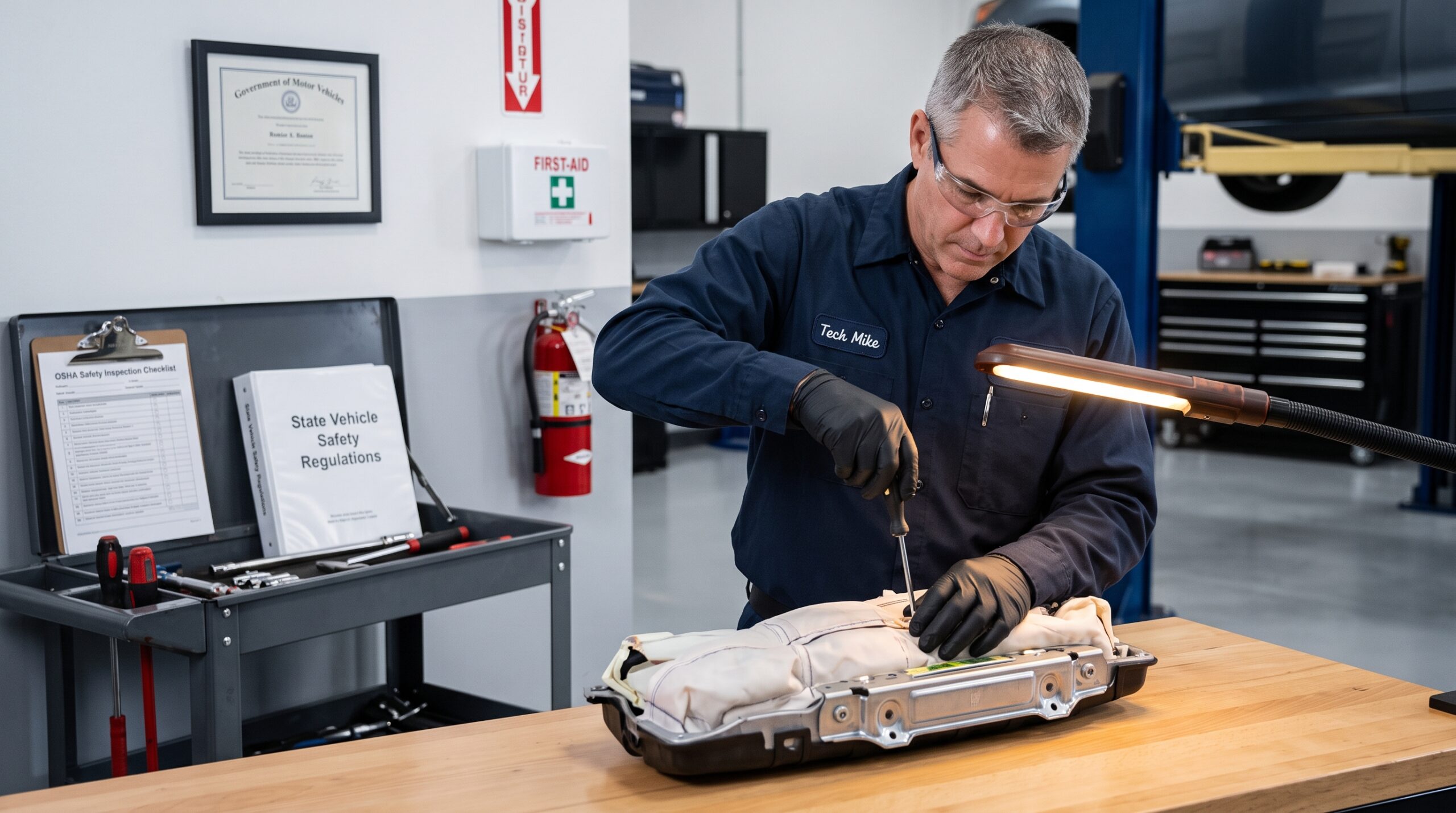
Review current airbag repair procedures and documentation practices now. Identify any gaps that new rules might highlight. Invest in proper training for technicians handling supplemental restraint systems.
Build relationships with reputable parts suppliers who understand evolving compliance requirements. Consider joining industry associations that monitor regulatory developments closely. These steps strengthen your operation while demonstrating commitment to safety and professionalism.
FAQ
Why is the Bureau of Automotive Repair seeking shop input now?
They want practical insights from those performing airbag repairs to create effective, realistic regulations.
How can small shops effectively contribute feedback?
Focus on specific examples from daily operations and submit clear, concise comments through official channels.
Will new airbag regulations increase costs for repair shops?
Possibly, depending on requirements for training, equipment, or documentation, though early input can help minimize burdens.
What should technicians focus on when providing input?
Emphasize safety, workflow efficiency, parts availability, and real-world challenges with current airbag repair processes.
How can vehicle owners stay informed about these regulatory changes?
Follow reputable automotive news sources and discuss concerns with trusted local repair shops.
Make Your Voice Heard on Airbag Regulations
This represents a genuine opportunity to influence policies affecting your business and customer safety. Don’t let others shape the rules that impact your daily work.
Review the Bureau of Automotive Repair request today and prepare your thoughtful response. Share experiences that matter most to independent shops and the driving public. Together we can help craft smarter regulations that enhance safety without unnecessary complications. Your expertise matters — use it.