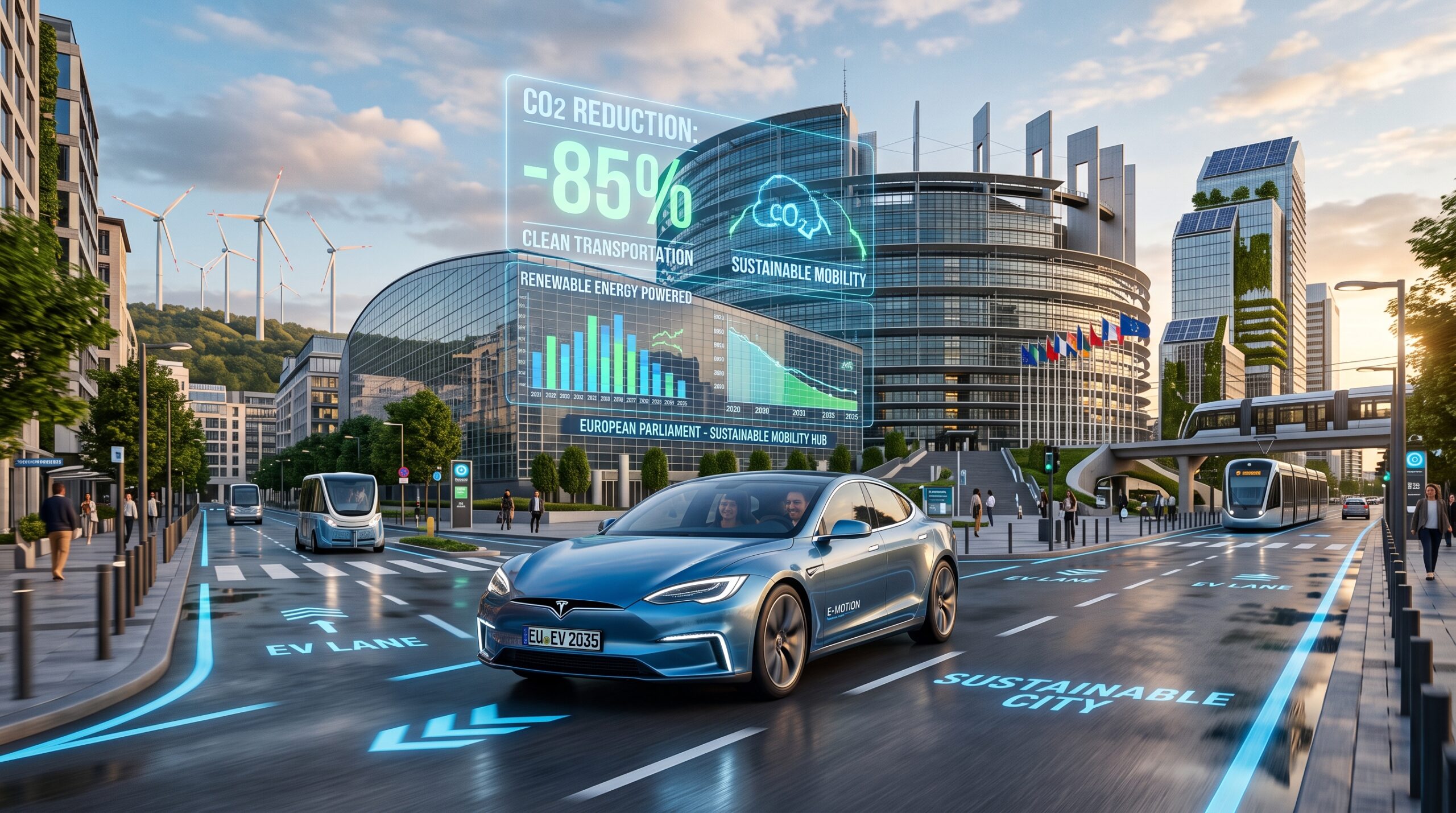
The automotive industry is entering another period of major change. As governments tighten environmental policies and consumers demand cleaner transportation, manufacturers are under increasing pressure to reduce vehicle emissions without sacrificing performance, affordability, or innovation.
One of the most closely watched developments is the T&E analysis of the European Commission proposal for the revision of the car CO2 regulation. The proposal could reshape the future of passenger vehicles across Europe while influencing global automotive strategies. Whether you’re a car enthusiast, fleet manager, investor, or everyday driver, understanding these proposed changes can help you prepare for what’s ahead.
Understanding the European Commission’s CO2 Regulation Proposal
Why the Proposal Matters
The European Commission aims to accelerate the transition toward low-emission and zero-emission vehicles. The revised regulation seeks to reduce greenhouse gas emissions from new passenger cars while encouraging manufacturers to invest in cleaner technologies.
The T&E analysis of the European Commission proposal for the revision of the car CO2 regulation highlights how stronger emissions targets could help Europe meet its long-term climate objectives while improving air quality and reducing dependence on fossil fuels.
Changes Proposed
Among the most significant changes are stricter fleet-average CO2 emission targets, increased support for electric vehicle adoption, and revised compliance mechanisms for vehicle manufacturers.
Industry experts believe these measures could accelerate innovation, although automakers may face higher research, manufacturing, and compliance costs during the transition.
What the T&E Analysis Reveals
Stronger Climate Ambitions
Transport & Environment (T&E) argues that ambitious CO2 standards encourage manufacturers to produce more efficient electric vehicles while reducing emissions from traditional combustion engines.
According to the analysis, clear long-term regulations provide manufacturers with greater investment certainty, allowing them to expand EV production and charging infrastructure more confidently.
Economic Opportunities
Although stricter regulations require significant investment, they may also create new economic opportunities. Battery manufacturing, software development, renewable energy integration, and charging infrastructure are expected to experience continued growth.
For suppliers and technology companies, these changes could open entirely new markets while creating thousands of skilled jobs across Europe.
How Consumers Could Be Affected
More Electric Vehicle Choices
As manufacturers increase EV production, buyers are likely to see a broader selection of models across different price ranges.
Greater competition often leads to better technology, longer driving ranges, improved battery performance, and more affordable pricing over time.
Ownership Costs
Electric vehicles generally require less routine maintenance than conventional gasoline or diesel cars because they contain fewer moving mechanical components.
Many drivers may also benefit from lower fuel costs, especially in regions where electricity prices remain competitive compared with traditional fuels.
Challenges Facing Automakers
Manufacturing Transformation
Meeting stricter CO2 standards requires significant investments in battery technology, factory upgrades, and workforce training.
Automakers must carefully balance innovation with profitability while remaining competitive in an increasingly global marketplace.
Infrastructure Development
Vehicle electrification depends heavily on public charging availability.
Governments, utility providers, and private companies must continue expanding fast-charging networks to support growing EV adoption throughout Europe.
Future Outlook for the Automotive Industry

The revision of the car CO2 regulation represents more than an environmental policy—it reflects the future direction of the global automotive sector.
Manufacturers that embrace innovation early may strengthen their competitive position, while consumers can expect cleaner vehicles equipped with increasingly advanced technologies.
As battery costs decline and charging infrastructure expands, electric mobility is likely to become an increasingly practical option for millions of drivers worldwide.
FAQ
What is the purpose of the revised car CO2 regulation?
The proposal aims to reduce greenhouse gas emissions from new passenger vehicles while supporting Europe’s transition toward cleaner transportation.
Why is the T&E analysis important?
The analysis evaluates how the proposed regulations may affect climate goals, vehicle manufacturers, consumers, and the automotive industry.
Will electric vehicles become more affordable?
Many analysts expect prices to gradually decline as battery technology improves, manufacturing scales up, and market competition increases.
How will car manufacturers respond?
Manufacturers are expected to invest more heavily in electric vehicles, battery development, software innovation, and sustainable manufacturing processes.
Does this proposal affect drivers outside Europe?
Indirectly, yes. Many global automakers develop vehicles for multiple markets, meaning European regulations often influence vehicle design and technology worldwide.
Final Thoughts
The T&E analysis of the European Commission proposal for the revision of the car CO2 regulation demonstrates how environmental policy is shaping the next generation of vehicles. While manufacturers face significant challenges during the transition, consumers stand to benefit from cleaner technology, improved efficiency, and greater vehicle choice.
If you want to stay ahead of the latest automotive developments, follow reliable industry news, compare emerging EV technologies, and monitor upcoming regulatory changes. Understanding today’s policies can help you make smarter vehicle decisions tomorrow.