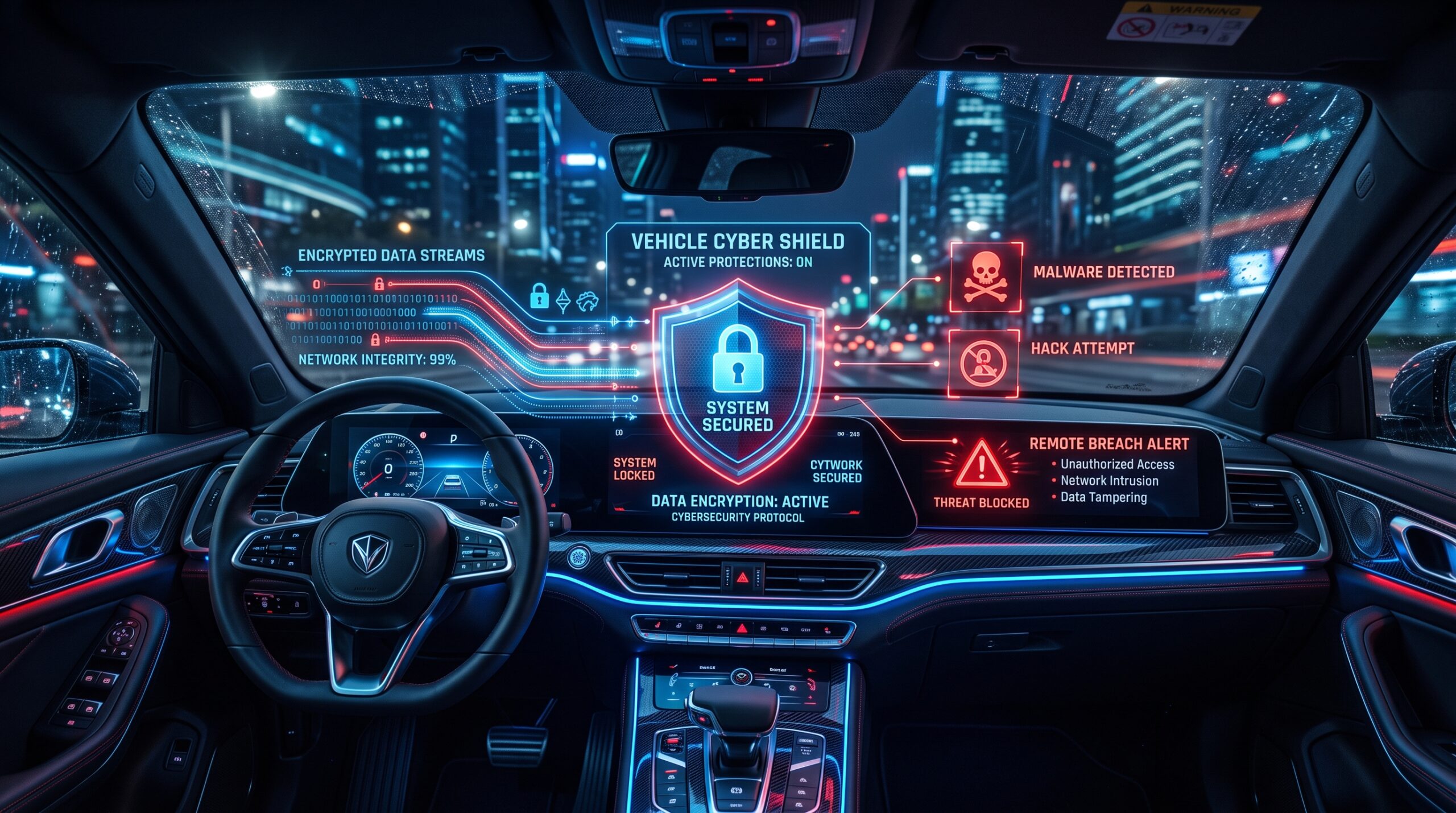
You slide into the driver’s seat of your sleek new connected vehicle, tap the infotainment screen, and start your commute. What you might not realize is that modern cars have become rolling computers packed with vulnerabilities that cybercriminals increasingly target.
The shift toward connected cars brings incredible convenience but also serious risks. Hackers can potentially unlock doors, disable brakes, or steal personal data if proper defenses aren’t in place. Understanding vehicle cybersecurity has become essential for every driver who values safety and privacy.
Understanding the Growing Threat Landscape
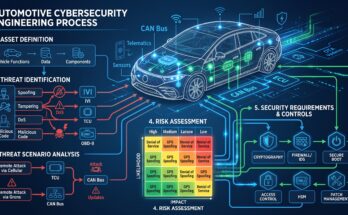
Modern vehicles contain dozens of electronic control units communicating constantly through complex networks. This connectivity enables features like over-the-air updates and remote diagnostics but also creates multiple entry points for attackers.
Real-world incidents have shown hackers exploiting keyless entry systems or infotainment vulnerabilities from surprisingly far distances. One researcher famously demonstrated taking control of a vehicle through its cellular connection while it cruised down the highway. These demonstrations highlight why vehicle cybersecurity demands serious attention.
Criminals don’t always need physical access anymore. They target supply chain weaknesses or cloud services that manufacturers rely upon for vehicle management.
Key Vulnerabilities in Connected Vehicles
Infotainment systems often connect to both the internet and critical vehicle networks, creating dangerous bridges. Wireless technologies like Bluetooth, Wi-Fi, and cellular connections each introduce potential weaknesses if not properly secured.
Telematics units that enable remote services can become targets for data theft or unauthorized control. Even seemingly minor components like tire pressure sensors have been exploited in sophisticated attacks. The complexity of modern vehicle architecture makes comprehensive protection particularly challenging.
From my experience consulting with automotive professionals, many manufacturers prioritize features over security during rapid development cycles. This rush sometimes leaves gaps that determined attackers eagerly exploit.
Practical Steps to Protect Your Connected Car
Start by keeping all software updated. Manufacturers regularly release patches addressing known vulnerabilities through over-the-air updates or dealer visits. Enable two-factor authentication wherever available for connected accounts.
Be cautious with third-party apps and accessories. Only download from official sources and review permissions carefully. Consider using a dedicated Wi-Fi hotspot rather than connecting your vehicle directly to public networks when possible.
For maximum protection, segment your networks when possible. Some advanced users maintain separate systems for entertainment and critical functions. Regularly review connected services and revoke access for anything you no longer use.
Physical security still matters too. Use steering wheel locks in high-risk areas and never leave your vehicle running unattended, even in your driveway.
The Future of Vehicle Cybersecurity
Industry standards continue evolving with new regulations pushing manufacturers toward better security practices. Expect increased focus on secure boot processes, encrypted communications, and regular security audits.
Consumers will play a bigger role by demanding transparency about security measures before purchasing. Some forward-thinking companies already offer detailed security reports and bug bounty programs to identify issues proactively.
Staying informed about emerging threats helps you make better decisions about vehicle features and maintenance routines. The most secure vehicles will ultimately be those where manufacturers, suppliers, and owners all take cybersecurity seriously.
FAQ
How common are actual car hacking incidents?
While dramatic demonstrations grab headlines, real-world attacks remain relatively rare but are increasing as vehicles become more connected.
Can I disable connectivity features to improve security?
Yes, many vehicles allow limiting certain wireless functions, though this sacrifices convenience features like remote start or navigation updates.
Do all new cars have the same cybersecurity risks?
Risk levels vary significantly between manufacturers based on their security practices and update policies.
Should I worry about vehicle cybersecurity if I drive an older car?
Older vehicles with minimal connectivity generally face fewer remote threats but may lack modern safety systems.
How do I know if my car received important security updates?
Check your owner’s manual, manufacturer app, or contact your dealer for specific vehicle status.
Take Action to Secure Your Connected Vehicle Today
Vehicle cybersecurity isn’t just a manufacturer problem anymore. Every owner needs to understand the risks and implement basic protective measures.
Review your vehicle’s connected features this week and apply the practical steps we discussed. Stay informed about security updates and make cybersecurity a key factor in future vehicle purchases. Your safety and peace of mind are worth the effort.