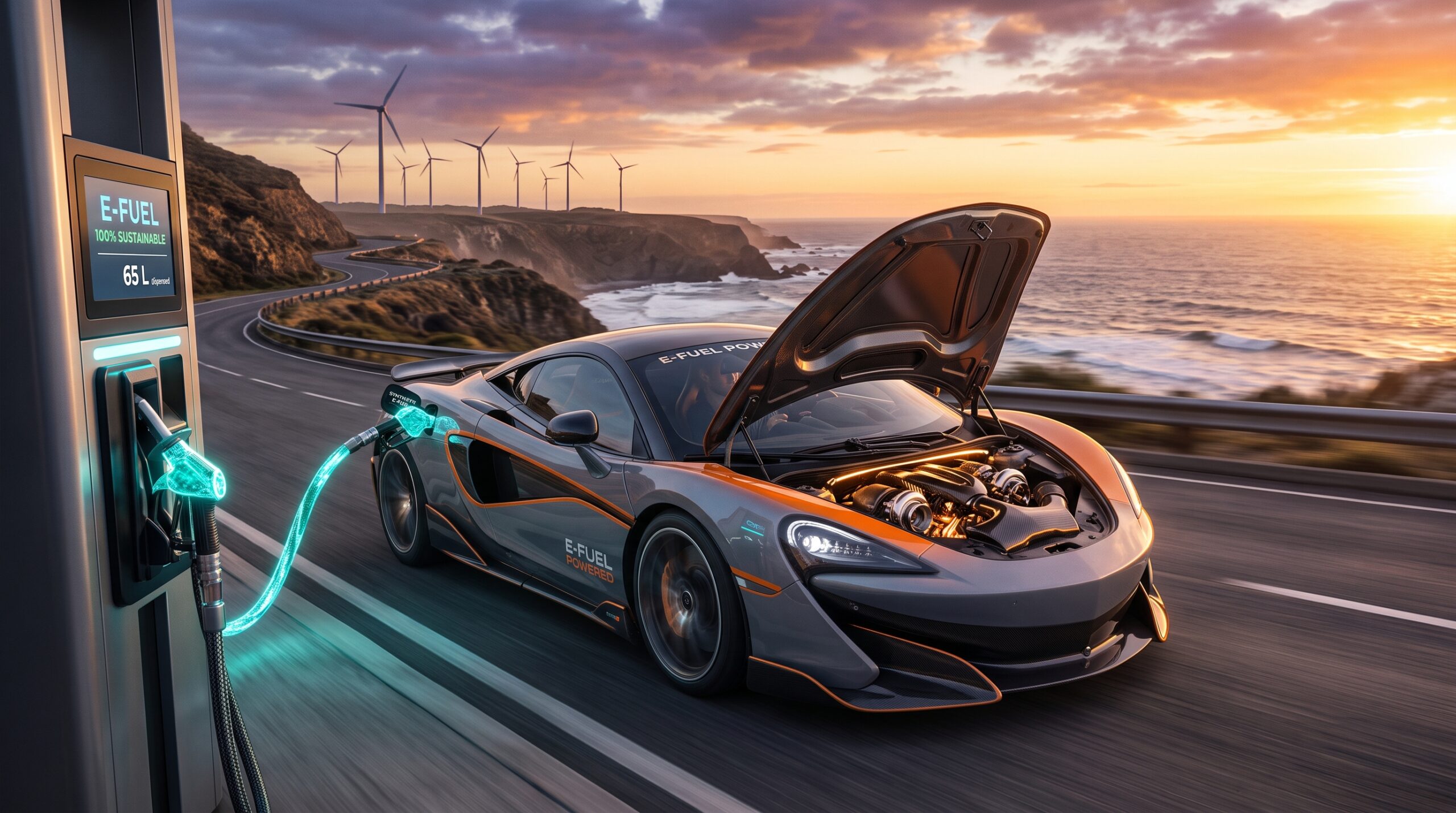
You love the roar of a well-tuned engine. The way a sports car pulls hard through the gears or your daily driver just feels right on a long road trip. But with tightening emissions rules and the push toward electric vehicles, it seems like the internal combustion engine (ICE) is on borrowed time. What if there was a way to keep these engines alive, running cleaner than ever, without scrapping millions of existing cars? Enter synthetic fuel—also known as e-fuels. This carbon-neutral alternative could be the lifeline the ICE needs.
What Exactly Are Synthetic Fuels?
Synthetic fuels are man-made liquids designed to mimic traditional gasoline or diesel. Unlike fossil fuels pulled from the ground, they’re created in a lab or industrial plant using captured carbon dioxide from the air, hydrogen split from water, and renewable energy sources like wind or solar.
The process starts with electrolysis—using clean electricity to break water into hydrogen and oxygen. Then, that hydrogen combines with CO2 in a synthesis step to form hydrocarbons. The result? A drop-in fuel that works in any existing gasoline or diesel engine without modifications. No new pumps, no engine swaps, just pull up to the station and fill up like always.
I remember chatting with a mechanic friend who tested early batches. He said the car ran smoother right away, with less knocking and cleaner exhaust. It felt like the engine was breathing easier. That personal touch is what makes synthetic fuels exciting—they don’t force you to change your driving habits or sell your beloved ride.
Production is scaling up too. Porsche teamed with Siemens Energy and others for the Haru Oni plant in Chile, one of the first commercial efforts using abundant wind power. Other players like Coryton in the UK are already supplying “blue gasoline” for heritage fleets and even some rally events.
This isn’t science fiction anymore. It’s real fuel hitting tanks today, and it’s only getting better.
How Synthetic Fuels Deliver Carbon-Neutral Performance
The magic of synthetic fuels lies in their closed carbon loop. You pull CO2 out of the atmosphere during production. When you burn it in your engine, you release that same CO2 back. Net result: zero additional emissions from a climate perspective.
They often burn cleaner too, producing fewer particulates and potentially lower NOx in optimized blends. Some early tests show up to 85% less CO2 impact compared to regular petrol when the full lifecycle is considered. Your classic Porsche 911 or vintage Mustang could keep thundering down the road guilt-free.
Think about the practical side. You don’t lose the energy density of liquid fuels. A tank still gives you hundreds of miles of range, quick refueling in minutes, and that familiar engine character enthusiasts crave. Lamborghini’s technical boss even called synthetic fuel a potential “savior” for combustion engines, noting their new V8 runs great on it without sacrificing power.
We’ve seen this in racing and heritage applications already. Mazda UK uses it in classic fleets. It proves the technology works in the real world, not just on paper. For everyday drivers like you and me, it means keeping the fun while hitting tough environmental targets.
Why This Could Rescue Millions of Existing ICE Vehicles
Banning new ICE sales doesn’t erase the billions of cars already on the road. By 2040, most vehicles will still be combustion-powered in many markets. Synthetic fuels let you keep using them responsibly.
No need for expensive battery replacements or full EV conversions. Your current car stays compatible. Mechanics don’t have to retrain entirely, and the massive global fuel infrastructure—gas stations, pipelines, tankers—gets a second life.
Imagine pulling into any station and choosing e-fuel for a premium, clean option. Fleets, trucking, and motorsports benefit hugely. Lamborghini, Porsche, and others are investing because they see it preserving the soul of performance driving.
From my perspective after following these developments, this levels the playing field. EVs shine in cities and short commutes. But for long hauls, cold climates, or pure driving joy, liquid synthetic fuels keep options open. It’s not about picking sides—it’s about smart solutions that work for everyone.
Challenges and the Road Ahead for Widespread Adoption
Let’s be honest: cost is the big hurdle right now. Early e-fuels run several times more expensive than regular petrol—think over £3 per litre in small batches. Scaling production and cheaper renewable energy will drive prices down, but it won’t happen overnight.
Energy efficiency is another debate. Making synthetic fuel uses a lot of electricity, and critics point out EVs use that power more directly. Still, for sectors where batteries don’t fit—aviation, heavy transport, and legacy vehicles—e-fuels make strong sense. Policy support, like the EU leaving room for e-fuels in its 2035 rules, will help accelerate things.
Investment is pouring in. Pilot plants are proving the concept, and costs should fall as technology matures. We might see meaningful volumes in the late 2020s and beyond. Governments and automakers need to collaborate on incentives and infrastructure.
The payoff? A diversified, resilient transport future. Not everyone wants or can go full electric immediately. Synthetic fuels buy time and keep choices alive.
The Exciting Future of Engines and Fuels

Synthetic fuel isn’t here to kill EVs—it complements them. Together, they tackle emissions from every angle. Your garage could one day hold both a silent EV for commuting and a roaring ICE sports car fueled by clean synthetics for weekend fun.
Engineers continue refining combustion tech for even better efficiency with these fuels. Hybrids running on e-fuels could be incredibly clean and capable. The internal combustion engine isn’t dying; it’s evolving.
We’re at a turning point. Passionate drivers, engineers, and forward-thinking companies are proving there’s more than one path to sustainability. The roar you love doesn’t have to fade into silence.
Ready to stay informed?
Share this with fellow car lovers, follow the latest on e-fuel projects, and consider supporting brands investing in these technologies. The future of driving is brighter—and louder—than you might think.
FAQ
Can I use synthetic fuel in my current car?
Yes! It’s a drop-in replacement. No engine mods needed for most gasoline and diesel vehicles.
How much does synthetic fuel cost today?
It’s pricier now, often several times conventional fuel, but prices are expected to drop with scale.
Is it truly carbon neutral?
When produced with renewable energy and captured CO2, yes—the lifecycle emissions are net zero.
Will this replace EVs?
Not likely. It’s a strong option alongside electrification for different needs.
Where can I buy it?
Limited availability now through specialty suppliers, but expect wider rollout as plants expand.