High gas prices biting into your budget again? Wondering why some brands are flying high while others seem stuck in the mud? Q2 2026 delivered a tale of two markets. Hybrids surged as buyers sought smart savings, while pure EV bets faced headwinds. We break down the standout performers and those struggling to keep pace. These insights could shape your next vehicle decision.
Toyota’s Hybrid Powerhouse Dominates
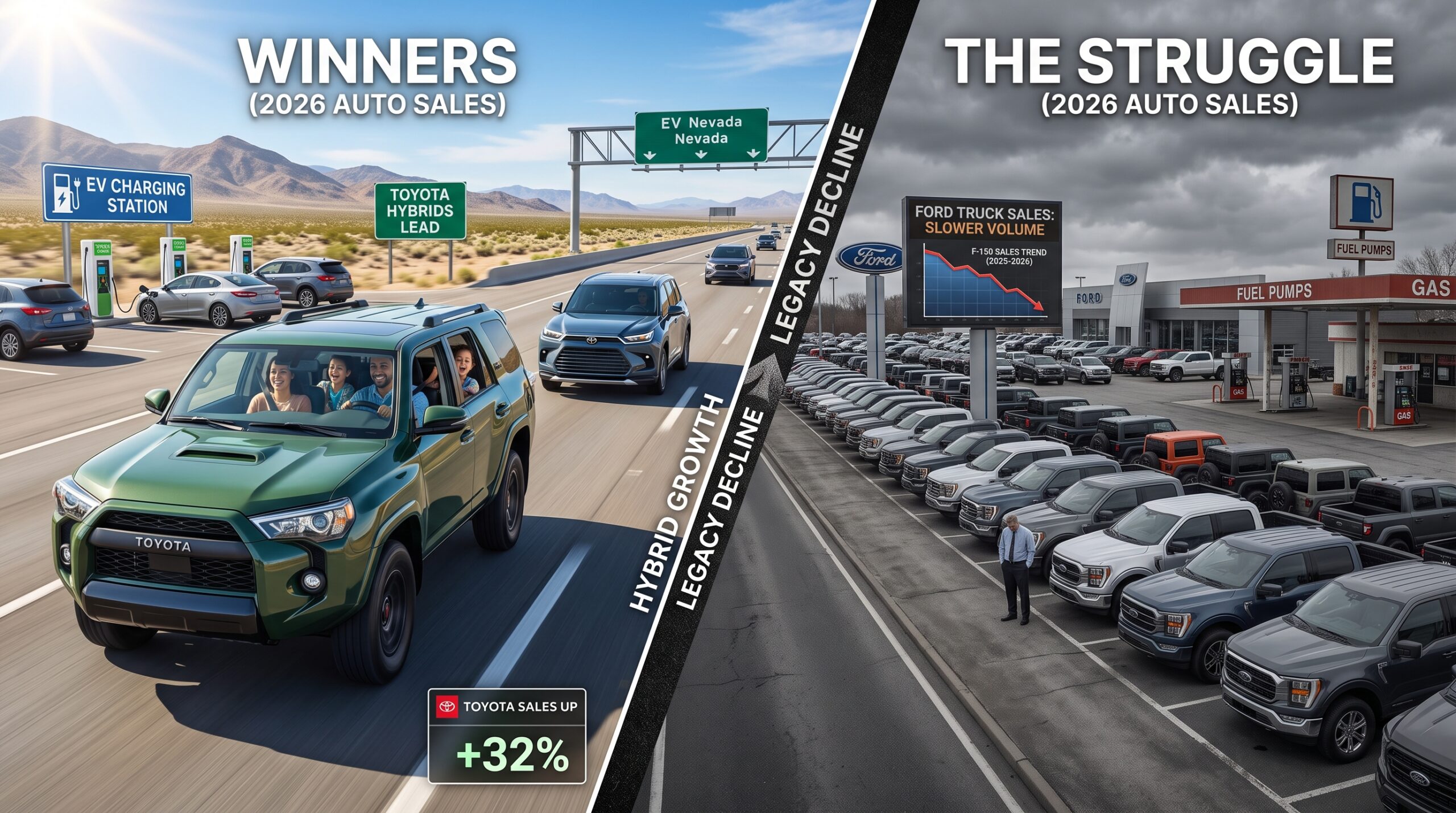
Toyota cruised through Q2 with steady gains, especially where hybrids shine. The refreshed 4Runner exploded, posting massive year-over-year increases as buyers embraced its rugged capability and proven reliability.
Hybrids across their lineup helped buffer any softness in pure gasoline models. Shoppers clearly value lower fuel bills without sacrificing versatility. A neighbor of mine traded his older pickup for a hybrid Rav4 and reports saving hundreds monthly at the pump.
This balanced approach—strong trucks, popular crossovers, and efficient hybrids—keeps Toyota near the top. Their strategy feels tailored to real American driving needs rather than chasing trends alone.
GM Faces EV Growing Pains
General Motors posted a 4.2% overall decline in Q2. Their broad EV lineup took a notable hit, with models like the Equinox EV dropping sharply. Discontinued models and inventory issues added pressure.
Chevy and GMC saw softer demand in key segments. While some luxury entries like Cadillac held better, the broader portfolio struggled. GM’s heavy EV push without enough hybrid options left them exposed when gas prices climbed.
I’ve followed their launches closely. The tech is impressive, but real-world factors like charging access and total ownership costs still sway many buyers toward hybrids or traditional options right now.
Ford Battles Supply and Demand Challenges
Ford saw sales dip around 10% in the quarter. F-Series trucks, their bread and butter, faced production hurdles from supplier problems. Other popular nameplates like the Expedition and Ranger also slipped.
The Mustang Mach-E felt the EV slowdown too. Yet Ford’s focus on trucks and SUVs keeps them relevant. Hybrids could help stabilize things moving forward.
Talk to fleet managers or contractors—they still lean on Ford’s durability, but delays frustrate everyone. Overcoming supply snags will be key for a rebound.
Standout Winners Across Segments
Nissan’s SUVs, led by the Rogue, showed strong gains. The Pathfinder and Armada also climbed, proving demand for roomy, capable family haulers remains solid. Jeep’s Grand Wagoneer and Chrysler Pacifica posted impressive jumps thanks to fresh styling and updates that resonated with buyers.
Sedans surprised in some cases, bucking the crossover trend in select markets. These bright spots highlight how targeted refreshes and meeting practical needs pay off.
From my conversations with buyers, features like advanced safety tech, comfortable interiors, and value pricing make the difference. Brands listening closely to customer feedback win loyalty.
Lessons for Buyers in a Shifting Market

Q2 reveals clear patterns: hybrids offer a sweet spot for many, while pure EVs require strong infrastructure and incentives to thrive. Trucks and SUVs continue dominating, but efficiency matters more than ever.
Consider your driving habits honestly. If you rack up highway miles, a hybrid might deliver the best blend of range and savings. Test drive options from multiple brands—real seat time reveals what clicks.
Watch for deals on slower-moving models. Inventory levels can create opportunities for sharp negotiators. Factor in long-term costs like insurance, maintenance, and resale value.
The market rewards patience and research. Winners adapt quickly to buyer preferences around cost, capability, and convenience.
Ready to find your next ride? Dive into current incentives, compare total cost of ownership calculators online, and visit dealers this month while summer deals linger. Whether you lean hybrid, EV, or traditional, the right choice will serve you well for years. Drive smarter out there.
FAQ
Which brands performed best overall in Q2 2026?
Toyota led with hybrid strength and models like the 4Runner, while Nissan SUVs also gained ground.
Why did GM and Ford see declines?
EV softness, production issues with key trucks, and discontinued models impacted results despite some strong segments.
Are hybrids the smart buy right now?
For many drivers facing high gas prices, yes—they combine efficiency with familiar refueling ease.
How did specific EVs fare?
Several faced challenges with lower demand, though Tesla maintained leadership in its segment.
What should I consider before buying?
Test multiple options, calculate fuel and maintenance savings, and check local incentives for the best deal.