You enjoy seamless navigation, remote start, and over-the-air updates in your connected car. Yet every convenience comes with invisible doors that cybercriminals are learning to pick with alarming creativity.
The automotive industry races toward full connectivity while security often lags behind. This gap creates dangerous opportunities that sophisticated attackers actively exploit. Understanding these cyber threats helps you protect yourself and your family on the road.
The Expanding Attack Surface in Modern Vehicles
Today’s cars contain over 100 electronic control units linked through multiple networks. Infotainment systems, telematics modules, and wireless key fobs all represent potential entry points for determined hackers.
Researchers have demonstrated taking control of steering, brakes, and acceleration through seemingly innocent features like digital radio or smartphone integration. These proof-of-concept attacks reveal how deeply interconnected systems create cascading vulnerabilities.
One particularly concerning trend involves supply chain compromises where attackers embed backdoors during manufacturing. Once inside, they maintain persistent access across entire vehicle fleets.
Real-World Cyber Threats Targeting Connected Cars
Keyless entry systems face relay attacks where criminals extend the signal range to unlock vehicles from outside your home. Ransomware groups have begun targeting automotive manufacturers and their suppliers with devastating effect.
Data theft represents another major concern. Location history, personal contacts, and payment information stored in connected systems prove valuable on underground markets. State-sponsored actors even explore connected vehicles as surveillance tools or potential weapons.
During a recent industry conference, security experts shared stories of fleet operators discovering unauthorized remote access attempts that nearly compromised entire groups of commercial vehicles.
How Manufacturers and Drivers Can Fight Back
Automakers must prioritize secure-by-design principles from the earliest development stages. Regular penetration testing, encrypted communications, and rapid security patching form the foundation of effective defense.
As drivers, we play a crucial role too. Keep all vehicle software updated religiously. Use strong, unique passwords for connected accounts and enable two-factor authentication wherever possible. Be extremely cautious about third-party apps requesting vehicle access.
Consider network segmentation solutions when available. Some advanced security suites can monitor for suspicious activity and alert you to potential intrusions before damage occurs.
The Road Ahead for Automotive Cybersecurity

Regulatory pressure continues mounting as governments recognize the safety implications of vehicle cyber vulnerabilities. New standards will likely require more transparent security practices and faster response times to discovered threats.
Consumer awareness drives meaningful change. When buyers demand better security features and hold manufacturers accountable, the entire industry responds. Collaboration between automakers, cybersecurity firms, and researchers will prove essential moving forward.
The vehicles of tomorrow can be both incredibly connected and genuinely secure. Achieving that balance requires vigilance from everyone involved in the automotive ecosystem.
FAQ
How likely am I to experience a car cyber attack? While individual attacks remain uncommon for average drivers, the risk increases with highly connected luxury and fleet vehicles.
Can I completely disable connectivity in my car? Many models allow limiting certain features, though full disconnection often requires professional modifications and sacrifices convenience.
Do software updates really improve vehicle security? Yes. Manufacturers frequently patch known vulnerabilities through over-the-air updates that significantly strengthen defenses.
Should I avoid buying connected cars altogether? Not necessarily. Focus on manufacturers with strong security track records and stay diligent about updates and best practices.
What should I do if I suspect my vehicle has been compromised? Disconnect from networks immediately, visit a trusted dealer for diagnostics, and consider professional cybersecurity assessment.
Secure Your Connected Vehicle Starting Today
The accelerating risks facing connected vehicles demand our attention now. Take concrete steps to understand your car’s vulnerabilities and implement practical protections.
Review your vehicle’s security settings this week and commit to staying informed about emerging threats. Demand better cybersecurity from manufacturers when shopping for your next vehicle. Together we can enjoy the benefits of connectivity while minimizing the very real dangers that come with it.
Prompt for Image Generation (for article thumbnail or featured image):
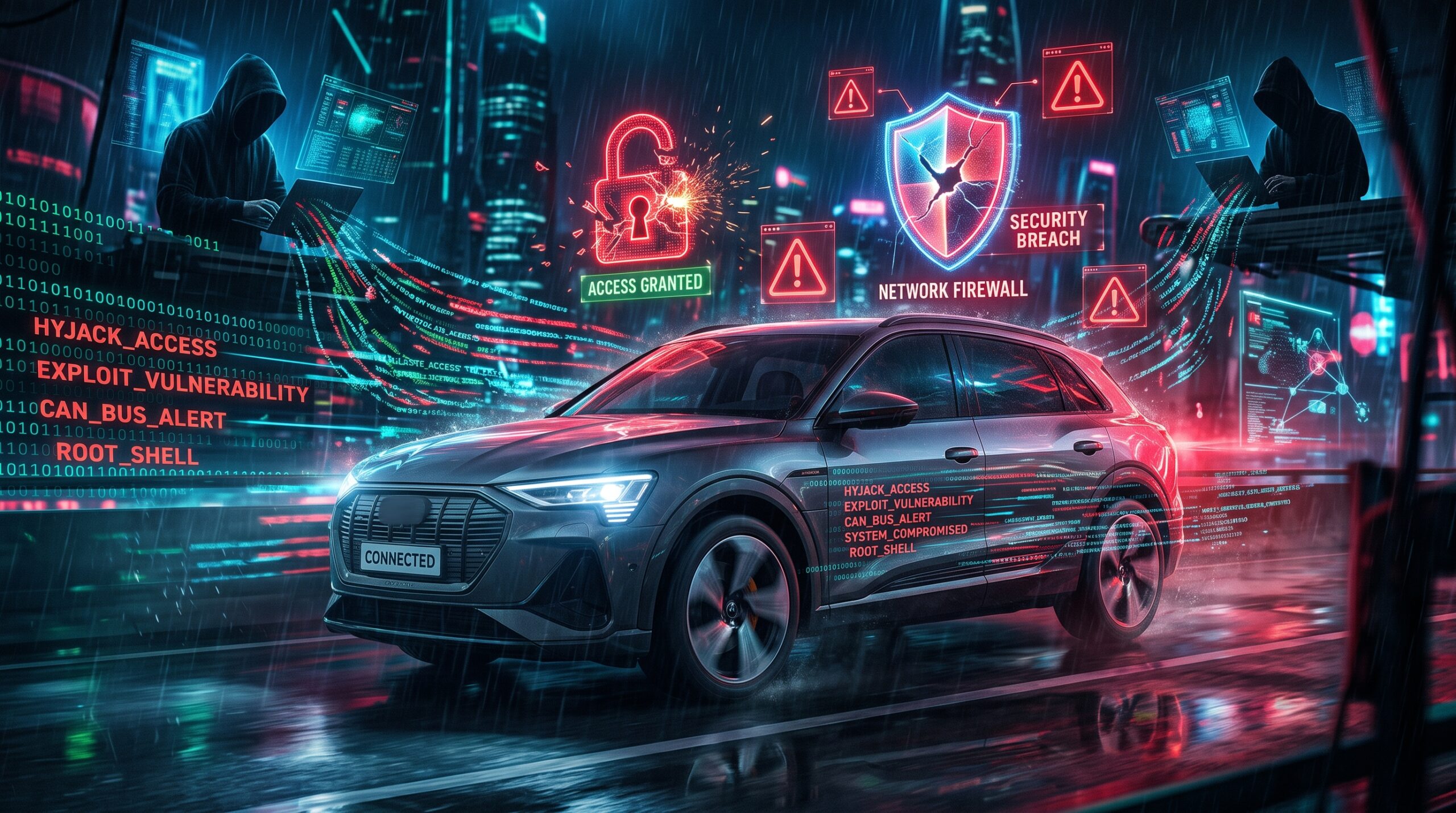
“Intense digital artwork of a modern connected car surrounded by glowing cyber threat elements like hacking code streams, digital locks being broken, warning shields, and shadowy hacker silhouettes. Dark dramatic atmosphere with red and blue neon accents, high-tech automotive cybersecurity theme, cinematic and urgent feel, ultra-detailed, 16:9 aspect ratio.”